Hey there! I’m a provider of inspection services, and today I wanna chat about the safety measures we implement in our inspection service. Inspection service
Personal Protective Equipment (PPE)
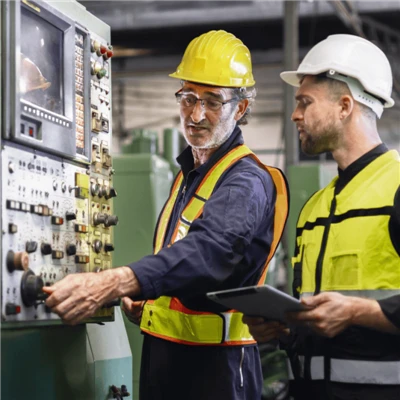
First off, personal protective equipment, or PPE, is a must – have. We make sure that all our inspectors are properly equipped with the right gear for the job. For example, when inspecting a construction site, hard hats are an absolute necessity. Falling objects are a real risk there, and a hard hat can prevent serious head injuries.
Safety glasses are also crucial. Whether we’re dealing with dust, flying debris, or chemicals, these glasses protect our inspectors’ eyes. They’re not just any glasses, though. They’re specifically designed to meet safety standards and can withstand impacts.
For jobs that involve working around loud machinery, ear protection like earplugs or earmuffs is provided. Hearing loss can happen gradually, and it’s preventable. So, we don’t take any chances. And when inspecting areas where there might be sharp objects, cuts, or abrasions, we give out gloves made from materials that are cut – resistant.
Training and Certification
Training is another big part of safety in our inspection service. All our inspectors go through rigorous training programs. They learn about safety regulations, best practices, and how to handle different inspection scenarios safely.
We keep them updated on the latest industry standards. For instance, in the food inspection business, rules change all the time to ensure food safety. Our inspectors have to be aware of these changes to do their job right and stay safe while doing it.
Certification is also important. We encourage our inspectors to get certified in relevant fields. For example, if they’re going to be inspecting electrical systems, having an electrical safety certification shows that they know what they’re doing and that they’ve met certain safety requirements. This gives our clients peace of mind, knowing that our inspectors are well – trained and qualified.
Risk Assessment
Before starting any inspection, we conduct a thorough risk assessment. We look at the location, the nature of the inspection, and any potential hazards. If we’re inspecting an old building, there could be asbestos, lead paint, or structural issues that pose a risk to our inspectors.
We identify these hazards and come up with a plan to deal with them. Maybe we need to bring in specialized equipment to test for asbestos or use scaffolding to access hard – to – reach areas safely. By doing a risk assessment, we can minimize the chances of accidents and keep our inspectors out of harm’s way.
Safety Protocols on – Site
Once we’re on – site, we follow strict safety protocols. We make sure that there are clear safety signs everywhere. For example, if there’s a wet floor, we put up a "Caution: Wet Floor" sign. This helps prevent slips, trips, and falls.
We also establish a safety zone around the inspection area. If we’re inspecting heavy machinery, we’ll cordon off the area to keep unauthorized people away. This not only protects our inspectors but also the people around the inspection site.
Communication is key on – site. We use two – way radios to stay in touch with each other. This way, if there’s an emergency or someone needs help, they can quickly reach out. And all our inspectors know the emergency procedures. They know where the fire exits are, how to use fire extinguishers, and what to do in case of other emergencies like earthquakes or floods, depending on the location.
Equipment Maintenance and Safety Checks
The equipment we use for inspections also needs to be in top – notch condition. We have a regular maintenance schedule for all our equipment. For example, our inspection cameras, which are used to check inside pipes or hard – to – reach spaces, are checked regularly for any signs of damage.
Before using any equipment, our inspectors do a quick safety check. They make sure that things like ladders are stable, that electrical equipment isn’t damaged, and that all the buttons and switches are working correctly. If there’s a problem with the equipment, it’s taken out of service right away and repaired or replaced.
Post – Inspection Safety Reviews
After an inspection is done, we have a post – inspection safety review. We talk about what went well and what could have been improved. Did any safety issues come up during the inspection? If so, we figure out how to prevent them from happening in the future.
Our inspectors are encouraged to share their experiences and suggestions. This way, we can continuously improve our safety measures. We also keep records of these safety reviews, which helps us show our clients that we take safety seriously and that we’re always learning and getting better.
Emergency Response Planning
We have a comprehensive emergency response plan in place. In case of a serious accident or emergency on – site, we know exactly what to do. The plan includes things like first – aid procedures. Our inspectors are trained in basic first – aid, so they can provide immediate help if someone gets hurt.
We also have a list of emergency contacts, including local hospitals, fire departments, and police stations. We know how to communicate with them quickly and effectively. And we have a plan for evacuating the inspection site if necessary.
Quality Control in Safety
We implement quality control measures for our safety procedures. This means that we regularly check to see if our safety measures are being followed correctly. We do internal audits, where we look at things like the use of PPE, compliance with safety protocols, and the maintenance of equipment.
If we find any non – compliances, we address them right away. We make sure that our inspectors understand why the safety measures are important and how not following them can put themselves and others at risk. We also use feedback from clients and our own internal teams to improve our safety quality control.
Safety in Digital Inspections
In today’s digital age, a lot of our inspections are done using digital tools. We have safety measures in place for these, too. When we’re using software for inspections, we make sure it’s secure. We protect the data from hackers and ensure that the software doesn’t malfunction during an inspection.
We also train our inspectors on how to use digital tools safely. For example, if they’re using a drone for an inspection, they need to know how to operate it safely to avoid collisions and other accidents.
Conclusion
Safety is at the heart of our inspection service. We’re committed to protecting our inspectors, our clients, and the public. By using PPE, providing proper training, conducting risk assessments, following safety protocols, maintaining equipment, and having emergency response plans, we’re doing our best to ensure that every inspection is as safe as possible.

If you’re in need of inspection services and safety is a concern for you, we’re here to help. Whether it’s a construction site, a food production facility, or an electrical system, we’ve got the experience and the safety measures in place to get the job done right. Reach out to us and let’s start a conversation about your inspection needs.
Supplier Evaluation References
- Industry safety guidelines from relevant regulatory bodies
- Safety training materials used in our in – house programs
- Records of past safety reviews and incident reports
Verittek Standards Co., Ltd.
As a professional product quality service provider in China, we help clients improve overall product quality and stability by providing third-party inspection services. If you have any enquiry about cooperation, please feel free to email us.
Address: Room 1002, Building 1, Tian’an Industrial Building, Panyu Energy Saving Technology Park, No.555 North Panyu Avenue, Donghuan Street, Panyu District, Guangzhou City, China.
E-mail: sales@verittek.com
WebSite: https://www.verittek.com/
