Hey there! I’m a supplier of electro – optic pods, and today I wanna chat about whether an electro – optic pod can be used in space applications. Electro-optic POD
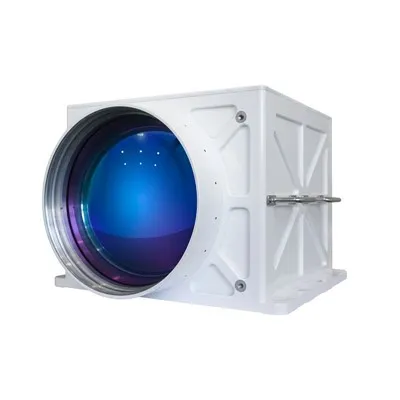
First off, let’s get a basic understanding of what an electro – optic pod is. An electro – optic pod is a device that combines optical sensors, cameras, and other electro – optical components. It’s commonly used in military, aerospace, and surveillance applications on Earth. These pods can capture high – resolution images, detect infrared signals, and even perform some fancy tracking.
Now, when we think about space applications, there are a whole bunch of unique challenges. The environment in space is way different from what we have on Earth. There’s no atmosphere to protect against radiation, and the temperature can vary wildly. Temperatures can go from extremely cold to super hot in a short period of time.
One of the big questions is, can the electro – optic pod withstand the harsh radiation in space? Radiation can damage the sensitive electronic components inside the pod. For example, high – energy particles can cause single – event upsets (SEUs) in the pod’s microchips. SEUs can lead to data errors or even system failures. But modern electro – optic pods are designed with radiation – hardening techniques. We use special materials and shielding to protect the electronics. This helps the pod to resist the harmful effects of radiation to a certain extent.
Another challenge is the temperature. The lack of atmosphere means there’s no air to transfer heat. So, the pod has to rely on other methods to manage its temperature. We use thermal control systems in our electro – optic pods. These systems have heat pipes and radiators. The heat pipes transfer heat from the hot components to the radiators, which then radiate the heat out into space. This way, we can keep the pod at a stable temperature.
Now, let’s talk about the benefits of using an electro – optic pod in space. One of the main advantages is the ability to gather high – quality visual data. In space exploration, having clear images is crucial. For example, if we’re exploring other planets or asteroids, an electro – optic pod can take detailed pictures of the surface. These pictures can help scientists study the geology, look for signs of water or life, and plan future missions.
In addition, electro – optic pods can be used for space surveillance. They can detect other satellites, space debris, and even potential threats. With the increasing number of satellites in orbit, space traffic management has become a big issue. An electro – optic pod can help us keep an eye on what’s going on up there and avoid collisions.
There are also some potential applications in space – based communication. The pod can be used to track and communicate with other spacecraft. It can help in establishing a line – of – sight communication link, which is important for reliable data transfer.
But it’s not all smooth sailing. There are some limitations too. The size and weight of the electro – optic pod can be a problem. In space, every bit of weight matters. A heavier pod means more fuel is needed to launch and operate the spacecraft. So, we’re constantly working on making our pods more compact and lightweight without sacrificing performance.
The power consumption of the pod is another concern. Spacecraft have limited power resources. We need to make sure that the electro – optic pod uses power efficiently. We’re developing new technologies to reduce the power consumption of our pods. For example, using low – power sensors and optimizing the data processing algorithms.
So, can an electro – optic pod be used in space applications? The answer is yes, but with some caveats. We’ve made a lot of progress in overcoming the challenges, but there’s still room for improvement.
As a supplier of electro – optic pods, we’ve been working hard to develop pods that are suitable for space applications. Our pods are designed with the latest technologies to handle the harsh space environment. We’ve conducted a lot of tests in simulated space conditions to make sure they work as expected.
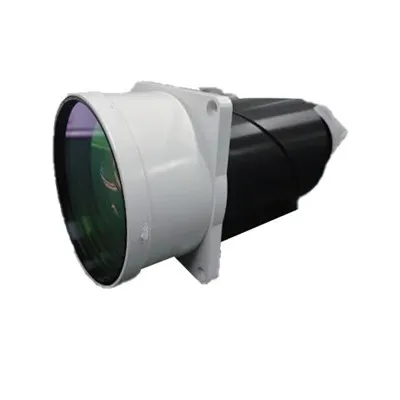
If you’re in the space industry and are looking for an electro – optic pod for your project, I’d love to have a chat with you. We can discuss your specific requirements and see how our pods can fit your needs. Whether it’s for space exploration, surveillance, or communication, we’ve got the expertise to provide you with a high – quality solution. So, don’t hesitate to reach out and start a conversation about potential purchases and collaborations.
SWIR Camera Lens References
- "Spacecraft Design Principles" by James R. Wertz and Wiley J. Larson
- "Radiation Effects on Electronic Systems in Space" by various authors in relevant space science journals
- "Thermal Management in Spacecraft" research papers from aerospace engineering conferences
Xi’an Zhongke Lead Ir-Tech Co., Ltd.
We are one of the most experienced electro-optic pod manufacturers in China, specialized in providing high quality OEM products with the industrial grade. We warmly welcome you to wholesale high performance electro-optic pod at an affordable price from our factory.
Address: Building 8,Hard Technology Enterprise Community No.3000,Biyuan 2nd Rd,High-Tech Zone Xi’an,Shaanxi,China
E-mail: sales@lead-ir.com
WebSite: https://www.leadinfrared.com/
