If you’ve ever spent time under the hood of a car, truck, or even an SUV, you’ve probably stared at the radiator for a few seconds—maybe when checking coolant levels, troubleshooting an overheating issue, or just wondering how all those hoses and metal parts work together. But I’m willing to bet you haven’t stopped to look at that small, L-shaped or flat metal piece bolted to the bottom of the radiator and the car’s frame. That’s the lower radiator mounting bracket, and it’s way more important than it looks at first glance. Let me break this down like I’m chatting with a buddy who’s into DIY car work or just curious about how their ride stays cool. Radiator Mounting Brackets
First, let’s set the scene: the radiator’s job is to pull heat away from your engine coolant, right? Coolant loops through the engine’s hot parts, picks up all that excess heat, and then flows into the radiator, where air passing through the fins cools it back down so it can head back to the engine again. But if the radiator isn’t held tight and in the exact right spot, a bunch of bad things happen fast. That’s where the lower bracket comes in—think of it as the unsung anchor for your radiator.
Wait, why “lower” specifically? Radiators aren’t held up just on top. Most modern vehicles have two main mounting points: one (usually a rubber or plastic isolator) at the top, and that solid metal bracket at the bottom. The lower part takes way more stress, too. When you hit a pothole, go over speed bumps fast, or even just accelerate hard, the engine and front end vibrate a lot. Those vibrations would make the radiator shift around if there wasn’t something holding it in place. And if the radiator shifts even a little? It can pop loose from the hoses, crack the plastic tanks on the ends, or block the air flow it needs to cool the coolant—hello, overheated engine, which is a nightmare for anyone trying to get to work or a road trip.
I’m a supplier of these brackets, so I’ve seen what happens when they go bad. A lot of people skip replacing a lower mounting bracket because it’s a tiny part, but that’s a mistake. Let me tell you: I’ve had customers come to me because their radiator hose blew out on the highway, and when we pulled the radiator, we found the lower bracket had rusted through. It couldn’t hold the radiator steady, so every time the car hit a bump, the hose would tug until it separated. Or another time, a guy’s radiator cracked because the bracket had bent out of shape from rough driving, so the unit flexed too much and split the plastic tank. That’s a $500+ mistake (for a new radiator) that could’ve been avoided with a $20 replacement bracket.
Now, let’s talk about what these brackets are made of, because not all lower radiator mounting brackets are the same. The good ones (the kind we supply) are usually made from stamped steel with a zinc or powder coat finish to fight rust. Some heavy-duty vehicles—like work trucks, delivery vans, or off-road rigs—get brackets made from thicker steel or even aluminum to handle more stress. The isolators (the rubber or plastic bits that sit between the bracket and the car’s frame) are just as important as the metal part, too. They absorb vibration, so the metal bracket doesn’t scratch the frame or wear out the radiator over time. Cheaper brackets skip the heavy-duty coating, so they rust out in 2-3 years in areas with lots of road salt, while the ones we supply last 10+ years under normal driving.
Wait, do all vehicles use the same lower radiator mounting bracket? No way. That’s why a lot of generic auto parts don’t fit right, which is why picking a bracket made for your specific make and model matters. I’ve seen people buy a random bracket from a big-box store, and it’s either too wide, too narrow, or has the wrong hole spacing to bolt to the frame. Then they end up having to drill new holes, which weakens the bracket and makes it less effective. Our brackets are precision-cut for every vehicle we carry—from compact sedans to semi-trucks—so you just line it up and bolt it on, no extra work needed.
Let me walk through a quick scenario to make it real. Say you’re driving a 2018 Honda Civic, and you notice when you pop the hood, the bottom of the radiator is wiggling a little when you nudge it. Chances are the lower mounting bracket’s isolator is cracked, or the metal part has a tiny rust spot. If you replace just the isolator, that might fix it for a bit, but if the steel itself is bent or rusted, you need the whole bracket. If you ignore it, next time you hit a big pothole, the radiator could shift, and like I said before, that’s a big problem. I’ve had so many regulars come back to us because they replaced their radiator once, and now they’re replacing the mounting bracket before it causes another failure.
Another thing a lot of people don’t know: lower mounting brackets also help with alignment. The radiator has to sit perfectly so air can flow through it from the front of the car—right behind the grille. If the bracket is bent, the radiator might sit at a slight angle, which blocks some of that air. That means your engine has to work harder to cool down, which wastes gas and can lead to faster wear on engine parts. So even if you don’t have a hose leak or a cracked radiator, a bad bracket is hurting your fuel economy. I’ve had customers tell us their gas mileage went up 3-4 mpg after replacing their old, bent lower mounting bracket—small win, but adds up over time.
Now, let’s get into common signs your lower radiator mounting bracket is on its way out, because that’s what you’re here for, right? No one wants to wait until their radiator breaks down on the side of the road. First, you’ll see visible damage: rust holes on the metal bracket, a bent shape, or the isolator crumbling. Then, if you pop the hood and wiggle the bottom of the radiator, it should be tight—if it moves more than a quarter-inch, that’s a red flag. Other signs: coolant leaks near the bottom of the radiator (that’s usually from a misaligned hose or cracked tank caused by a loose bracket), or your temperature gauge spikes randomly, even when you’re driving at a steady speed. Those are all clues that the bracket isn’t doing its job anymore.
As a supplier, I can say that we don’t cut corners on these parts. A lot of cheap brackets on Amazon or discount auto parts stores are made from thin, flimsy steel that bends or rusts in no time. We test every bracket we stock: we check the hole spacing for precision, the coating for rust resistance, and the strength of the isolator to make sure it holds up to vibration. We also carry brackets for all makes and models, so whether you drive a 2005 Ford F-150, a 2022 Toyota Camry, or a work van used for deliveries, we’ve got the right one.
Wait, let’s address a common question: can I install a lower radiator mounting bracket myself? Absolutely, if you’re comfortable with basic car work. You don’t need special tools—just a wrench, a socket set, and maybe a jack to lift the front of the car a little (make sure it’s on jack stands, never just the jack!). First, drain a little coolant if you can, or just loosen the hose clamps to slip the hoses off the radiator ends before unbolting the old bracket. Then bolt the new one in place, tighten it up, and reconnect the hoses. It’s a 30-minute job for most people, way easier than replacing a whole radiator. If you’re not into DIY, any local mechanic can do it for under $100, including parts and labor.
I’ve also seen a lot of people mistake the lower bracket for a random metal piece, but it’s actually part of a system. The top isolator, the lower bracket, and the frame mounts all work together to keep the radiator stable. If one part goes bad, it puts extra stress on the others. That’s why it’s smart to check both the top and bottom mounting points when you’re doing routine maintenance—like when you change your oil or flush your coolant. Catching a rusty bracket early saves you so much hassle later.
Let me throw in a quick story to make this relatable. A few months back, a guy brought his 2019 Ram 1500 in for a new lower mounting bracket. He told us he’d been taking his truck off-road on the weekends, and a big rock had hit the front end, bending the old bracket. He ignored it for a month, and then his engine overheated bad on a trail. We replaced the bracket, checked the radiator for damage, and sent him on his way. He came back a week later to say he didn’t have any more overheating issues, and he even noticed his truck drove smoother on the highway now that the radiator was steady. That’s the kind of thing we love—helping people avoid a big headache.
So to wrap this up: a lower radiator mounting bracket is a small, but critical, car part that anchors the bottom of your radiator to the vehicle’s frame. It prevents the radiator from shifting from vibration, potholes, or rough driving, which stops leaks, cracked radiators, and overheating. It also keeps your engine running efficiently by ensuring proper air flow to the radiator. It’s made of sturdy metal (usually steel with rust-resistant coating) paired with vibration-absorbing isolators, and it’s specific to your vehicle’s make and model.
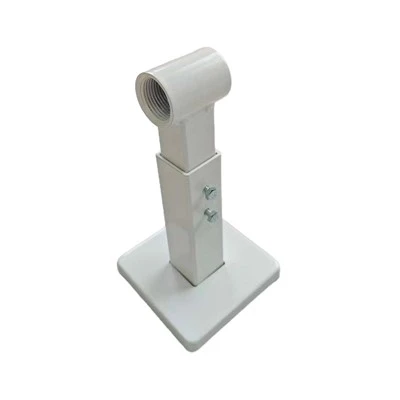
If you think your lower radiator mounting bracket is damaged, don’t wait around. Grab the right part for your car, whether you’re DIY-ing or heading to a mechanic. For quality, made-to-fit lower radiator mounting brackets, feel free to reach out to us to chat through your needs—we’re here to help you pick the right part, no guesswork involved.
Palletizing Robot References
- Automotive Racing Tech: "Radiator Mounting Systems 101"
- Society of Automotive Engineers (SAE): "Vibration Isolation for Vehicle Components"
- Auto Repair Association: "Common Causes of Radiator Failure in Light Vehicles"
- Heavy Duty Trucking Magazine: "Mounting Solutions for Commercial Vehicle Radiators"
- National Highway Traffic Safety Administration (NHTSA): "Vehicle Maintenance Guidelines for Cooling Systems"
Wanyuan Yuanwei Automation Equipment Co., Ltd.
With abundant experience, we are one of the most professional radiator mounting brackets manufacturers and suppliers in China. Please feel free to wholesale high quality radiator mounting brackets for sale here from our factory. Good service and punctual delivery are available.
Address: No. 392, Wanbai Road, Baisha Town, Wanyuan City, Dazhou City, Sichuan Province
E-mail: wanyuanyuanwei@outlook.com
WebSite: https://www.yuanweiautomation.com/
