Hey there, fellow plant enthusiasts! I’m a supplier of plant growth regulators, and today I’m super excited to chat with you about how these nifty little substances can impact ornamental plants. Plant Growth Regulator
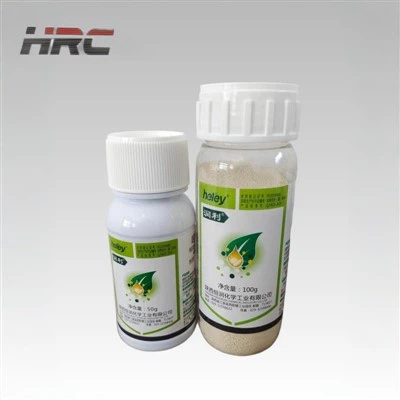
First off, let’s quickly go over what plant growth regulators (PGRs) are. In simple terms, PGRs are chemicals that can control and modify the growth and development of plants. They can mimic or interfere with the plant’s natural hormones, which are like the plant’s internal messengers that tell it when to grow, flower, or do other important things.
Effects on Plant Height and Shape
One of the most obvious effects of PGRs on ornamental plants is the control of plant height. For a lot of ornamental growers, having plants with a compact and well – shaped form is crucial. Take, for example, potted chrysanthemums. When we use PGRs on them, we can prevent them from growing too tall and leggy. Instead of having these long, floppy stems that might flop over and look a mess, the plants become more bushy and dense. This makes them much more appealing to customers who want a nice, full – looking plant for their homes or gardens.
In bedding plants like petunias or marigolds, PGRs can also do wonders. By applying the right PGR at the right time, we can make the plants have a more uniform height and width. This is great for large – scale commercial growers because it makes the plants look more professional and marketable. When you go to a garden center and see a row of perfectly sized petunias, chances are PGRs had a hand in making them look that way.
Flowering Control
Another major effect of PGRs on ornamental plants is their ability to control flowering. This is a big deal for both growers and consumers. For growers, being able to time the flowering of their plants means they can have a consistent supply of blooming plants throughout the year. For example, in the cut – flower industry, roses are a huge commodity. By using PGRs, growers can make sure that their roses bloom at the right time for holidays like Valentine’s Day or Mother’s Day. This ensures that they can meet the high demand and make more money.
For consumers, PGRs can also enhance the flowering experience. Some PGRs can increase the number of flowers on a plant. Think about a hydrangea bush. With the right PGR treatment, it can produce a whole bunch more blooms than it would naturally. This makes the plant look even more spectacular and gives us more enjoyment when we see it in our gardens or in a vase indoors.
Leaf Color and Quality
PGRs can also have an impact on the color and quality of the leaves of ornamental plants. Some PGRs can make the leaves greener and lusher. In foliage plants like ferns or peace lilies, having dark, healthy – looking leaves is a huge selling point. PGRs can stimulate the production of chlorophyll, which is what gives plants their green color. So, when we use PGRs on these types of plants, the leaves look more vivid and fresh.
Moreover, PGRs can improve the overall quality of the leaves. They can make the leaves thicker and more resistant to pests and diseases. For example, on a camellia plant, PGR – treated leaves are less likely to get damaged by insects or fungal infections. This means that the plant stays healthy and beautiful for longer, which is great for both the plant owner and the environment because it reduces the need for pesticides.
Root Development
Don’t forget about the roots! PGRs can play a significant role in root development of ornamental plants. Strong and healthy roots are the foundation of a healthy plant. When we use certain PGRs, we can encourage the roots to grow more vigorously. For instance, in young seedlings of ornamental trees, PGRs can stimulate the production of lateral roots. This gives the tree a better anchor in the soil and allows it to absorb water and nutrients more efficiently.
In container plants, good root development is even more important. PGR – treated plants in containers are less likely to become root – bound. A root – bound plant is one where the roots have grown in a dense mass inside the container, which can limit the plant’s growth and health. By improving root development with PGRs, we can keep container plants happy and growing well for a long time.
Stress Resistance
Ornamental plants often face all sorts of stress, like drought, heat, cold, and pollution. PGRs can help these plants cope better with stress. When we apply certain PGRs to plants before they are exposed to stress conditions, the plants can become more resistant. For example, in a landscape where there is a lot of heat and dry weather, PGR – treated plants like lavender can withstand the drought better. They are able to close their stomata (tiny pores on the leaves) more effectively to reduce water loss, and they can maintain their metabolic processes even when water is scarce.
During cold winters, PGRs can also help some ornamental plants survive. They can increase the plant’s tolerance to low temperatures by promoting the production of certain proteins and antioxidants that protect the plant cells from freezing damage. This means that we can grow a wider variety of ornamental plants in different climates, which is great news for gardeners and landscapers.
Potential Drawbacks
Now, it’s not all sunshine and rainbows. There are some potential drawbacks to using PGRs on ornamental plants. If we use too much of a PGR or apply it at the wrong time, it can have negative effects. For example, over – application of a PGR meant to control plant height can make the plant stunted and weak. The plant might not grow properly, and it could have a reduced ability to produce flowers or fight off diseases.
Also, some people are concerned about the environmental impact of PGRs. If PGRs are not used correctly and end up leaching into the soil or water, they could potentially harm other organisms in the ecosystem. However, if we follow the proper guidelines and use PGRs responsibly, these risks can be minimized.
How to Use PGRs Wisely
As a PGR supplier, I always tell growers and plant lovers to use PGRs wisely. First, it’s important to understand the specific needs of the ornamental plant you’re dealing with. Different plants respond differently to PGRs, so you need to do a bit of research or consult with an expert. Second, always follow the instructions on the PGR product label. The label will tell you the correct dosage, the best time to apply, and any safety precautions.
If you’re new to using PGRs, it’s a good idea to start with a small area or a few plants to see how they react. This way, you can learn from the experience and make adjustments if needed.
Conclusion

In conclusion, plant growth regulators can have a wide range of effects on ornamental plants, from controlling height and shape to improving flowering, leaf quality, root development, and stress resistance. While there are some potential drawbacks, when used correctly, PGRs can be a powerful tool for growers and plant enthusiasts alike.
Insecticide If you’re interested in learning more about our plant growth regulators or are thinking about making a purchase for your ornamental plants, I’d love to have a chat with you. Whether you’re a large – scale commercial grower or just someone with a small home garden, we’ve got the right PGR products for you. Reach out to me, and we can start a discussion on how our PGRs can help your plants thrive.
References
- Taiz, L., & Zeiger, E. (2010). Plant Physiology. Sinauer Associates.
- Davies, P. J. (2010). Plant Hormones: Biosynthesis, Signal Transduction, Action! Kluwer Academic Publishers.
Shaanxi Hengrun Linong Biotechnology Co., Ltd.
We’re well-known as one of the leading plant growth regulator manufacturers and suppliers in China, featured by quality products and low price. Please rest assured to buy discount plant growth regulator from our factory. Welcome to view our website for more information.
Address:
E-mail: sales@hengrunagro.com
WebSite: https://www.hengrunagro.com/
