As a seasoned wire supplier in the industry, I’ve witnessed firsthand the vital role that wire insulation plays in a wide array of applications. The right insulation material can significantly enhance the performance, safety, and longevity of electrical wires. In this blog post, I’ll delve into the common materials used for wire insulation, offering insights into their characteristics, advantages, and typical uses. Wire

PVC (Polyvinyl Chloride)
PVC is perhaps the most widely used material for wire insulation, and for good reason. It’s a thermoplastic polymer that offers a balanced combination of cost – effectiveness, flexibility, and durability.
One of the key benefits of PVC insulation is its affordability. This makes it an attractive option for a variety of general – purpose electrical wiring applications, especially in residential and commercial buildings. For instance, in household wiring systems, PVC – insulated wires are commonly used for lighting circuits, power outlets, and appliance connections.
PVC is also highly flexible, which allows for easy installation. It can be bent and routed through tight spaces without cracking or breaking. This flexibility also makes it suitable for use in portable electrical devices and extension cords.
In terms of safety, PVC has decent fire – retardant properties. It emits a self – extinguishing flame when exposed to fire, which helps to prevent the spread of flames in case of an electrical fault. Additionally, it provides good resistance to moisture, chemicals, and abrasion, protecting the underlying conductor from environmental damage.
Rubber
Rubber has been used for wire insulation for a long time, and it remains a popular choice, especially in applications where high flexibility and resilience are required.
There are different types of rubber used in wire insulation, such as natural rubber, synthetic rubber (e.g., neoprene, EPDM). Natural rubber offers excellent flexibility and electrical insulation properties, but it is more prone to degradation over time due to factors like heat, ozone, and sunlight.
Synthetic rubbers like neoprene and EPDM, on the other hand, have better resistance to environmental factors. Neoprene is known for its excellent resistance to oil, gasoline, and other chemicals. This makes it a great choice for wiring in automotive applications, where wires may come into contact with various fluids.
EPDM (Ethylene Propylene Diene Monomer) rubber is highly resistant to heat, ozone, and weathering. It is commonly used in outdoor and high – temperature applications, such as electrical wiring in solar panels and industrial equipment. The high flexibility of rubber insulation allows it to withstand repeated bending and movement, making it suitable for use in machinery and equipment with moving parts.
Teflon (Polytetrafluoroethylene – PTFE)
Teflon is a high – performance insulation material known for its exceptional electrical and chemical properties. It has a very low dielectric constant, which means it has minimal energy loss when an electrical current passes through it. This makes Teflon – insulated wires ideal for high – frequency and high – speed applications, such as in telecommunications cables and aerospace wiring.
Teflon also offers outstanding resistance to extreme temperatures. It can operate in a wide temperature range, from very low cryogenic temperatures to high temperatures exceeding 200°C. This property makes it suitable for use in harsh environments, such as in space exploration and industrial processes that involve extreme heat.
In addition, Teflon is highly resistant to chemicals and moisture. It has a non – stick surface, which makes it difficult for contaminants to adhere to the wire. This is particularly beneficial in applications where the wires need to be kept clean and free from chemical corrosion, such as in the pharmaceutical and food processing industries.
However, Teflon is relatively expensive compared to other insulation materials, which limits its use to applications where its high – performance properties are absolutely necessary.
Cross – Linked Polyethylene (XLPE)
XLPE is a type of polyethylene that has been cross – linked to improve its mechanical and thermal properties. It offers several advantages over traditional polyethylene insulation.
One of the main advantages of XLPE is its excellent thermal resistance. It can withstand higher operating temperatures compared to regular polyethylene, which allows for higher current – carrying capacities in the wires. This makes XLPE – insulated wires suitable for use in high – power applications, such as power distribution cables in electrical grids.
XLPE also has good resistance to moisture and chemicals. It provides a high level of electrical insulation, which helps to prevent electrical leakage and short – circuits. In addition, it has good mechanical strength, which makes it more resistant to abrasion and impact. This makes it a popular choice for underground and submarine power cables, where the wires need to withstand harsh environmental conditions.
Silicone
Silicone rubber is another important material for wire insulation, especially in applications that require high – temperature resistance and flexibility.
Silicone can operate at very high temperatures, typically up to 200°C or even higher in some cases. This makes it suitable for use in heating elements, ovens, and other high – temperature industrial equipment.
It also has excellent flexibility, even at low temperatures. This property allows it to be used in applications where the wires need to be bent or twisted during installation or operation, such as in robotics and medical devices.
Silicone has good electrical insulation properties and is resistant to moisture, ozone, and UV radiation. It is also non – toxic and has good biocompatibility, which makes it suitable for use in medical applications such as implantable devices and medical cables.
Paper
Although not as common as some of the other materials mentioned above, paper is still used in certain applications for wire insulation.
In the past, paper was widely used in oil – filled transformers and high – voltage cables. The paper is saturated with insulating oil, which enhances its electrical insulation properties. The combination of paper and oil provides a high dielectric strength and good thermal conductivity.
While the use of paper – insulated cables has decreased in recent years due to the development of more advanced materials, it is still used in some legacy electrical systems and in some specialized applications where its unique properties are required.
Choosing the Right Insulation Material
When selecting the insulation material for a wire, several factors need to be considered. These include the operating temperature, the required electrical properties (such as dielectric constant and resistance), the environmental conditions (including exposure to moisture, chemicals, and mechanical stress), and the cost.
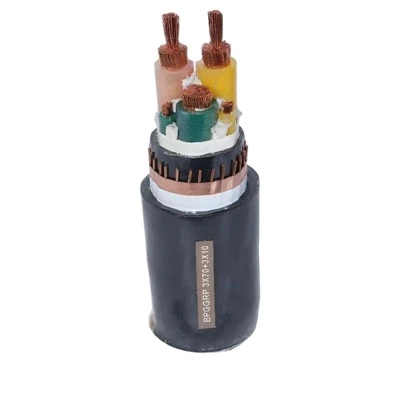
As a wire supplier, I understand that each application has its own unique requirements. That’s why I’m committed to providing high – quality wires with the right insulation materials to meet the specific needs of my customers. Whether you’re working on a small residential project or a large – scale industrial installation, I can offer you the best wire solutions.
Let’s Connect
Rubber Cable If you’re in the market for wires and need guidance on choosing the right insulation material for your project, I’d be more than happy to assist you. I have a wide range of wire products with different insulation materials in stock, and I can provide you with detailed technical information and competitive pricing. Please reach out to me for a quote or to discuss your specific requirements. Let’s work together to ensure the success of your electrical project.
References
- "Electrical Insulation Materials and Their Applications" by R. J. Jha
- "Handbook of Electrical Engineering Materials" edited by P. K. Jain
- Manufacturer’s technical data sheets for wire insulation materials
Anhui Huawang Cable Co., Ltd.
As one of the most professional wire manufacturers and suppliers in China, we also support customized service. If you’re going to buy discount wire, welcome to get pricelist from our factory. Quality products and reasonable price are available.
Address: No. 32, East Street, Batian Street, Datong Town, Tianchang City, Anhui Province
E-mail: Linda@huawangcable.com
WebSite: https://www.huawang-cable.com/
